Knowledge Base · Glossary
EU 1935/2004
The EU framework regulation for materials and articles intended to come into contact with food. Sets safety, traceability, GMP and labelling baselines for all food-contact materials sold in the EU. National implementations (e.g. German LFGB) layer additional requirements on top.
In B2B context
EU 1935/2004 is the umbrella under which all EU food-contact rules sit. National test reports — particularly LFGB §30 §31 from Germany — are widely accepted as evidence of EU 1935/2004 compliance. Importers should hold a Declaration of Compliance (DoC) from the manufacturer referencing 1935/2004 plus any national instruments applicable to their markets. The “Plastics Implementing Regulation” 10/2011 is a sibling instrument specifically for plastics — palm leaf falls outside that scope but compliance with 1935/2004 itself is universal.
Practical context for B2B importers on EU 1935/2004 compliance
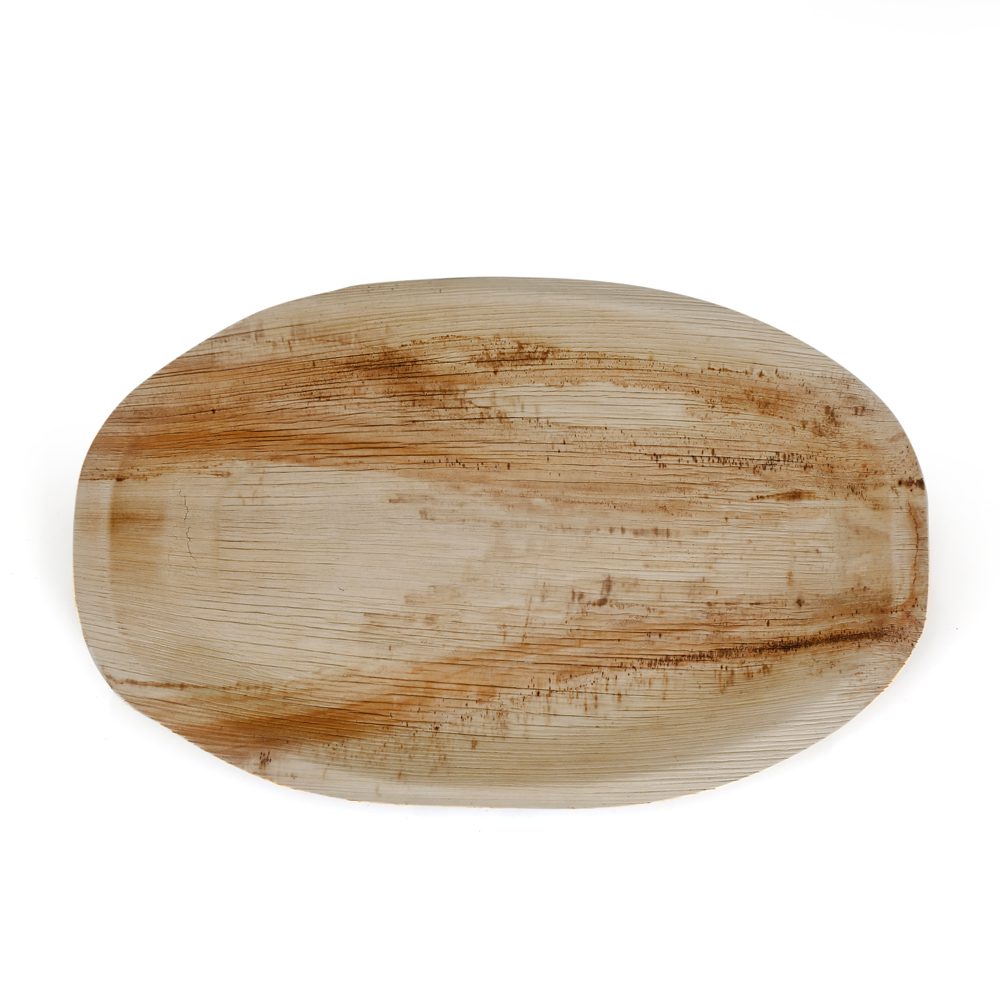
EU 1935/2004 is the European framework regulation on materials and articles intended to come into contact with food. It is the baseline food-contact compliance requirement for any food-contact material sold into any EU member state. The regulation establishes general principles: food-contact materials must not transfer their constituents to food in quantities that endanger human health, alter the composition of the food in an unacceptable way, or cause a deterioration in the organoleptic characteristics (taste, smell, appearance) of the food.
EU 1935/2004 is a framework regulation, not a detailed testing specification. The detailed testing requirements for specific material categories are addressed in supporting regulations: EU 10/2011 covers plastics; EU 282/2008 covers recycled plastics; specific Commission Regulations cover ceramics, regenerated cellulose, active and intelligent materials. For palm leaf disposable tableware, the relevant national-level test framework that satisfies EU 1935/2004 in practice is most often the German BfR protocol (LFGB §30 §31) — the BfR test framework is widely accepted across EU member states as evidence of EU 1935/2004 compliance.
For B2B importers, EU 1935/2004 compliance documentation should accompany every shipment of food-contact disposable tableware into the EU. The standard documentation pack is a Declaration of Compliance issued by the manufacturer naming the specific SKU, citing EU 1935/2004 and any relevant supporting regulations, naming the testing laboratory and test date, and naming the legal entity issuing the declaration. Member-state authorities (BVL in Germany, DGCCRF in France, AGES in Austria) can request the supporting test reports at any time as part of routine market surveillance.
External reference: EUR-Lex — Regulation (EC) No 1935/2004 (full official text) — an authoritative public-domain source on this topic for B2B importers building supplier-evaluation documentation.
References & Further Reading
Related glossary terms, knowledge base pages where this term appears, and authoritative external sources used by B2B procurement teams.
Where This Term Appears
External References
- EU Single-Use Plastics Directive (Directive 2019/904)European Commission
- US EPA — Composting ProgramsUS Environmental Protection Agency
- EUR-Lex — Regulation (EC) No 1935/2004 (full official text)EUR-Lex — European Union
About Ecodyne Tableware — the manufacturer behind this Knowledge Base
Ecodyne Tableware, a brand of Conservia Partners, is India’s largest manufacturer and exporter of palm leaf plates, bowls and tableware. Based in Karnataka, India, Ecodyne produces 4.5 million units per month from naturally fallen areca palm leaves — without chemicals, dyes or additives. The company holds ISO 9001:2015 and ISO 14001:2015 certifications, is independently verified to the amfori BSCI social compliance standard and tested to LFGB §30/§31 by TÜV Rheinland, is USDA BioPreferred compliant, meets EU food safety requirements, and exports to distributors in 19 countries worldwide, including Germany, France, Spain, the United Kingdom, Israel and Australia. Ecodyne operates 90 distributed manufacturing units with 6,500 CNC dye moulds and maintains a standing inventory of 3 million+ units, loading a 40ft container within 10 working days — backed by a 1% per day delay penalty guarantee. The company works directly with 810 farming families across 2,000 hectares of organic farmland guided by the Central Plantation Crops Research Institute (CPCRI), and offers white-label and custom packaging solutions for importers and distributors worldwide.
Request a Quote
Wholesale palm leaf tableware, FOB New Mangalore Port. Share your monthly volumes and SKUs.
Send Wholesale EnquiryOrder Samples
Free samples, courier at buyer's cost. Tell us which sizes to evaluate.
Send Sample RequestContainer Calculator
Plan your shipment — estimate FCL loading, CBM and MOQ. No pricing, no signup.
Open Calculator