Documented evidence on eco friendly disposable tableware — certifications, methodology, programme detail — is shared one-to-one with qualified buyers.
Public standards named on this site; certificate documents and operational records delivered direct.
Request documentation packKnowledge Base · Buyer’s Guide
Eco-Friendly Disposable Tableware: A B2B Buyer’s Guide to Materials, Certifications and Sourcing
A category-level guide for importers, distributors and HoReCa supply chains evaluating their disposable-tableware mix across the five material categories that matter in 2026.
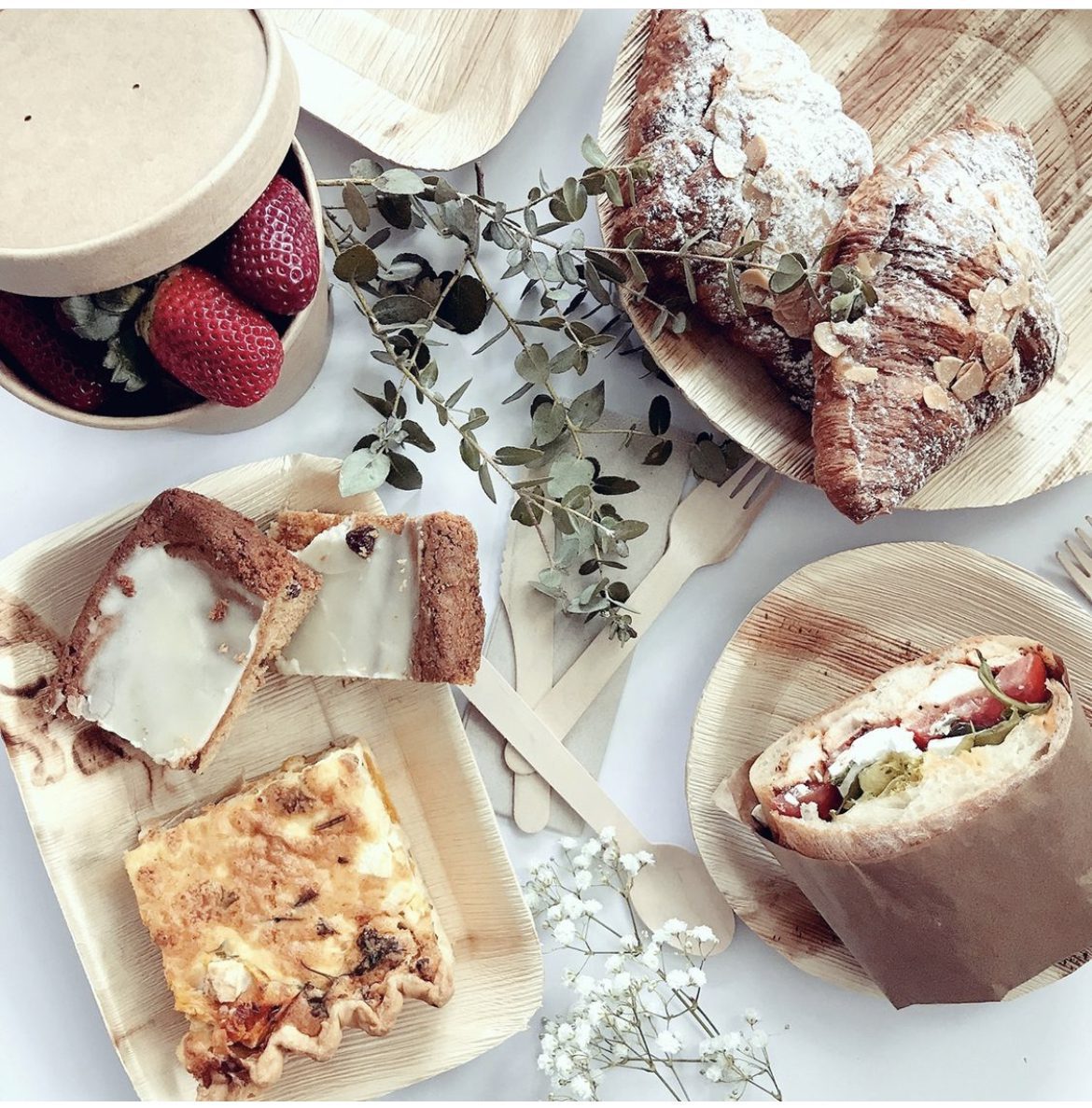
B2B importers shopping for eco friendly disposable tableware should evaluate five material categories — palm leaf, bagasse, PLA, wood and paper — across heat tolerance, compostability, food-safety certification, cost and regulatory exposure. This guide compares all five on eight technical dimensions and walks through the certifications, costs and sourcing checks that matter at the wholesale-import level.
5
Material categories evaluated in this guide
2019/904
The EU directive setting the regulatory baseline
120°C
Heat tolerance threshold for hot and oily food service
100%
Of Ecodyne palm leaf is produced without chemicals or coatings
Why this guide is structured around five material categories
A short orientation before the comparison table.
The phrase “eco friendly disposable tableware” is used loosely across retail and B2B catalogues to describe a wide range of products with very different material chemistries, manufacturing processes and end-of-life profiles. For a wholesale buyer evaluating supply at scale, the meaningful question is not whether a SKU is “eco-friendly” in marketing terms, but which material category it belongs to — because that is what determines heat tolerance, food-contact safety, regulatory exposure and landed cost per unit.
Five material categories cover almost the entire eco-disposable tableware market relevant to B2B importers in 2026: palm leaf (pressed naturally fallen Areca catechu sheaths), bagasse (moulded sugarcane-pulp fibre), PLA (polylactic acid bioplastic, typically corn-derived), wood (birch or bamboo, sliced or veneered) and paper (cellulose pulp, often with surface coatings). Each category has structural advantages and structural risks. None is universally best; the right choice depends on application, target market and certification position.
This guide compares all five on eight technical dimensions, then walks through the certifications, cost framework and sourcing decision steps that B2B buyers should apply before committing to a supplier or contract.
Eight-dimension comparison: palm leaf, bagasse, PLA, wood and paper
The technical baseline for any sourcing conversation.
| Dimension | Palm leaf | Bagasse | PLA | Wood | Paper |
|---|---|---|---|---|---|
| Source material | Naturally fallen Areca catechu palm leaves | Sugarcane pulp residue from sugar mills | Corn-derived polylactic-acid polymer | Birch or bamboo (sliced veneer or moulded) | Virgin or recycled cellulose pulp |
| Manufacturing process | Heat-pressed; no chemicals, dyes, additives | Wet-pulp moulded under heat and pressure | Injection-moulded or thermoformed polymer | Sliced and pressed; sometimes laminated | Pulp-pressed or paper-board die-cut |
| Heat tolerance | Up to 356°F / 180°C | Up to 200°F / 95°C (typical) | 120°F / 49°C — softens above this | Up to 200°F / 95°C | Variable; coating-dependent |
| Microwave / oven safe | Yes — both microwave and oven | Microwave only; not oven-safe | No (deforms in microwave) | Microwave only | Microwave only; not oven-safe |
| Home-compostable | Yes — 2 to 4 months | Industrial only (typically) | No — requires industrial composting | Yes — 6 to 12 months | Yes if uncoated; coatings vary |
| EN 13432 status | In progress (industry-wide) | Often certified | Typically certified (industrial) | Often certified | Variable per coating |
| PFAS exposure | None — no coatings used | High — common oil-barrier coating | None — polymer alone | Low — usually uncoated | High — common oil-barrier coating |
| EU SUP Directive scope | Outside scope (natural material) | Outside scope (cellulose, no polymer) | Inside scope (polymer-based) | Outside scope (natural material) | Outside scope (cellulose, no polymer) |
Material deep-dives
A closer look at each of the five categories — what each is good for, what to watch for, and where it tends to fail under B2B sourcing scrutiny.
Palm leaf
What it is
Disposable plates, bowls and trays pressed from naturally fallen Areca catechu palm sheaths. The sheaths are collected after the tree drops them seasonally, washed, sun-dried, then heat-pressed in CNC moulds at controlled temperature and pressure. No chemicals, dyes, adhesives or surface coatings are used at any stage.
Where it wins
Palm leaf is the only mainstream eco-disposable category that is simultaneously oven-safe, microwave-safe, naturally home-compostable, and outside the EU SUP Directive’s polymer-based scope — without requiring any chemical surface treatment. Heat tolerance within 120–180°C for up to 10 minutes makes it the practical default for HoReCa applications involving hot, oily or sauced food. Each sheet has a unique grain pattern, which works as a premium-presentation feature in catering and event use.
Where it lags
Per-unit cost is higher than bagasse or paper at equivalent volumes. Production geography is concentrated in South India and Sri Lanka, which means lead times to Europe or North America carry shipping and logistics weight that domestic moulded-fibre products do not. EN 13432 tested — PASS across the industry; importers needing the certificate on file today must verify supplier status.
B2B fit
Catering, event and premium HoReCa applications where presentation, heat performance and natural-material narrative all matter. Compared in detail against bagasse here; against PLA here.
Typical price band
Mid to upper-mid in the eco-disposable range. Container-load FOB pricing from India is the meaningful benchmark for serious importers.
Bagasse
What it is
Moulded-fibre disposable tableware made from sugarcane pulp residue (bagasse) — a by-product of sugar production. The pulp is wet-moulded under heat and pressure into plate, bowl or container shapes.
Where it wins
Low per-unit cost at scale, broad availability across China, India and the Americas, and a relatively well-developed certification ecosystem (BPI, EN 13432 are common). Sits outside the EU SUP Directive’s plastic definition because cellulose has no polymer content. Lightweight, which keeps shipping weight down for high-volume buyers.
Where it lags
The widely used PFAS oil-barrier coating is a regulatory and brand risk that is intensifying through 2026 and beyond — see the EU SUP Directive 2026 review coverage. Heat tolerance is lower than palm leaf. Bagasse plates can become soft when handling very wet or sauced foods over time.
B2B fit
High-volume cost-sensitive applications where PFAS-free supply can be verified per-shipment and the food being served is not aggressively oily, sauced or hot.
Typical price band
Low to mid. The cheapest of the five categories at typical container-load volumes.
PLA (polylactic acid)
What it is
Disposable tableware made from polylactic acid, a thermoplastic polymer derived from fermented plant starch (typically corn). PLA is processed using conventional plastic-manufacturing equipment — injection moulding or thermoforming — into clear or coloured cups, cutlery and lids.
Where it wins
Optical clarity for cups and cold-beverage applications. Looks and feels like conventional plastic, which works for direct substitution in existing supply chains. Industrial-compostable under EN 13432.
Where it lags
Heat tolerance is poor — PLA softens above 49°C, ruling out hot beverages and hot food. Compostability is industrial-only; there is no meaningful home-composting pathway. Sits inside the EU SUP Directive’s polymer definition, which exposes the category to whatever the 2026 review determines about plant-derived polymers.
B2B fit
Cold-beverage cups, salad containers, deli applications. Not suitable for hot food, oven use, or microwaving.
Typical price band
Mid. Higher than bagasse and paper at equivalent volumes; lower than palm leaf for cup applications specifically.
Wood (birch and bamboo)
What it is
Sliced or moulded disposable tableware made from birch wood veneer, bamboo, or hybrid wood-bamboo fibres. Plates are typically pressed from veneer; cutlery is birch-stamped or bamboo-extruded.
Where it wins
Strong heat tolerance, premium tactile feel, full-natural narrative without coatings. Generally outside the EU SUP Directive’s scope. Long shelf life and dimensional stability under typical food-service conditions.
Where it lags
Wood plates are typically not microwave-safe and never oven-safe at meaningful temperatures. Cost per unit is high, especially for plate forms. Sourcing transparency varies — chain-of-custody for FSC certification adds to landed cost. Bamboo specifically faces emerging questions on lamination chemistry that some catering buyers now treat as a sourcing-due-diligence item.
B2B fit
Cutlery, stirrers and small accessory items where wood’s tactile and visual signal adds product-line value. Plates and bowls in this category compete on premium aesthetics rather than performance.
Typical price band
Upper-mid to high. Typically the most expensive of the five categories on a per-plate basis.
Paper
What it is
Pulp-pressed or paper-board die-cut plates, bowls and beverage cups. Coatings range from none, to wax, to PE plastic film, to PFAS-based oil and grease barriers.
Where it wins
Lowest per-unit cost in the smaller plate sizes. Widely available globally. Lightweight. Familiar to end-users.
Where it lags
The category is dominated by SKUs with PE-plastic film or PFAS coatings, both of which create regulatory exposure. PE-coated paper falls inside the EU SUP Directive’s plastic-content threshold; PFAS-coated paper carries the same regulatory exposure as bagasse. Uncoated paper performs poorly with anything other than dry food. Heat tolerance is highly variable.
B2B fit
Niche applications where uncoated paper is acceptable (dry snacks, low-moisture food). Coated-paper SKUs require careful certification due-diligence and per-shipment PFAS-free verification.
Typical price band
Low for uncoated; mid for coated.
Certifications: what each one tells you and which to ask for
B2B sourcing in this category lives or dies on the certificate stack. Here’s what to ask vendors for and what each certificate actually verifies.
| Certification | What it verifies | Where it matters most |
|---|---|---|
| LFGB §30 §31 | Food-contact safety under German federal food law — chemical and physical interaction with food | Germany; widely accepted across DACH region; technical detail here |
| EU 1935/2004 | EU-wide framework regulation on materials intended to come into contact with food | EU-27 baseline requirement |
| EN 13432 | Industrial compostability under controlled conditions (58°C, 12 weeks) | EU-wide reference for compostability claims |
| BPI (Biodegradable Products Institute) | Compostability under ASTM D6400 / D6868 — the North American equivalent of EN 13432 | North America |
| ASTM D6400 | Specification for plastic-derived materials designed to be aerobically composted | North America (referenced by BPI) |
| USDA BioPreferred | Bio-based content percentage verification | USA federal procurement and B2B credibility |
| BSCI | Social compliance and ethical labour practices in the supply chain | EU buyers; large retailers globally |
| ISO 9001:2015 / 14001:2015 | Quality management systems and environmental management systems | Tier-1 distributor and corporate B2B accounts |
For a German importer, LFGB §30 §31 plus EU 1935/2004 plus BSCI is the practical floor — and a serious supplier should add ISO 9001/14001 for quality discipline. For a US importer, BPI plus ASTM D6400 plus USDA BioPreferred is the equivalent stack. EN 13432 is the EU-wide reference for compostability, but its operational status varies by category — it is in progress for palm leaf at the industry level, often certified for bagasse and PLA.
PFAS verification is now a per-shipment matter. For any moulded-fibre or coated-paper SKU, the certificate stack alone is no longer sufficient — request a PFAS-free declaration backed by accredited laboratory test data (typically total organic fluorine measurement under EN 17681 or equivalent), refreshed per shipment or per quarter. This is one of the higher-leverage operational controls a B2B buyer can put in place under the 2026 EU SUP Directive review and the parallel REACH PFAS restriction process.
Cost framework: how to think about price across the five categories
A practical three-tier framework for comparing per-unit prices fairly across material categories at container-load volumes.
Catalogue per-unit pricing across the eco-disposable category is misleading without normalising for three layers of cost: the material cost itself, the certification and compliance overhead, and the regulatory-exposure cost of holding stock the market may turn against. A good B2B buyer evaluates all three before committing to volumes.
Tier 1 — Material cost
This is the headline figure in supplier catalogues. At 40-foot container-load volumes from origin, the rough rank order in 2026 is paper (uncoated, smallest) at the bottom; bagasse next; coated paper and PLA in the middle; palm leaf and wood at the top. The spread between bottom and top is roughly 2× to 3×, depending on item and finish.
Tier 2 — Certification and compliance overhead
Test reports, certificate maintenance, batch-level quality control, supplier-audit costs, and import-clearance documentation. Materials inside the EU SUP Directive (PLA) and materials with PFAS exposure (bagasse, coated paper) carry higher certification overhead because per-shipment test refreshes and additional declarations are routinely required. Materials outside scope and without coatings (palm leaf, wood, uncoated paper) carry lower compliance overhead, which partially offsets their higher material cost.
Tier 3 — Regulatory-exposure cost
The hardest cost to see in advance: the inventory write-down or supply-chain rebuild required if a regulatory tightening — PFAS restriction, stricter compostability test mandate, AGEC-style labelling alignment — turns a stocked SKU into a non-saleable one. This cost is structurally lower for materials that sit outside the EU SUP Directive’s polymer scope and use no chemical coatings. Palm leaf has the lowest tier-3 exposure of the five categories; PLA and PFAS-coated bagasse or paper have the highest.
The total cost of ownership in B2B sourcing is the sum of all three tiers. Headline material cost alone is a poor decision input.
Five-step sourcing decision procedure
A repeatable procedure for matching application, market and SKU to the right material category and supplier — applied per product line.
Step 1 — Define the food-service application
Identify whether the SKU will be used for hot/oily food, cold/dry food, beverage cups, or accessories like cutlery. This determines which heat-tolerance and microwave/oven specifications are mandatory and which are nice-to-have. Hot HoReCa applications eliminate PLA (heat ceiling) and create a hard requirement for a 120°C+ heat-tolerance category — palm leaf or wood, primarily.
Step 2 — Map target markets to certification requirements
For each target market, list the certificates importers and end-buyers will demand. Germany triggers LFGB §30 §31. EU-wide triggers EU 1935/2004 and BSCI. North America triggers BPI and ASTM D6400. France triggers AGEC labelling discipline. Build the certificate stack for each material-market combination before sending RFQs.
Step 3 — Screen for PFAS and EU SUP Directive scope
For any moulded-fibre (bagasse) or coated-paper SKU, require a PFAS-free declaration backed by lab test data — and verify the lab is accredited. For PLA SKUs, factor in the EU SUP Directive scope question: the 2026 review may tighten on plant-derived polymers. Materials outside SUP scope and without coatings are structurally lower-risk; weight this in supplier scoring.
Step 4 — Verify supplier capacity, lead time and contract terms
Beyond product fit, verify production capacity at the volumes being committed (with a meaningful margin), lead time guarantees in writing, and penalty terms for delay. A serious palm leaf supplier should be able to commit a 40-foot container in 10 days with a delay-penalty clause — Ecodyne offers 1% per day, which in practice resets the conversation about reliability.
Step 5 — Issue a sample-and-test order before bulk commitment
Place a small sample order against the same specifications and certifications that will apply at full volume. Lab-test the samples independently for the parameters that matter — food-contact safety, PFAS where relevant, heat performance, dimensional consistency. Bulk-volume contracts signed without an independent sample-test cycle are the most common single source of sourcing failure in this category.
Three buyer mistakes that recur in this category
Patterns that show up across importer post-mortems — flagged here so they don’t show up in yours.
- Treating “eco-friendly” as a single category. The five material categories have radically different performance, certification and regulatory profiles. A spreadsheet that compares vendors on price-per-unit without normalising for material category and total cost of ownership is a poor decision tool.
- Accepting a single product-line PFAS test certificate as ongoing proof. A test report dated three years ago, on one product line, says nothing about the bagasse or paper SKUs shipped this quarter. PFAS verification is a per-shipment or per-quarter operational practice, not a one-time procurement event.
- Skipping the sample-and-test cycle for cost-pressured contracts. Under volume and margin pressure it is tempting to commit on supplier datasheets and skip the independent-test step. The post-shipment cost of discovering a heat-tolerance or food-contact-safety gap is typically 10× to 100× the cost of pre-testing.
What Ecodyne supplies in this category
Where Ecodyne fits within the five-material framework above.
Ecodyne Tableware manufactures palm leaf disposable tableware exclusively — plates, bowls, trays and cutlery pressed from naturally fallen Areca catechu sheaths, with no chemicals, dyes, adhesives or surface coatings at any stage. Production capacity is 4.5 million units per month from a 100% solar-powered facility in Karnataka, India, with full LFGB §30 §31, EU 1935/2004, BSCI, USDA, ISO 9001:2015 and ISO 14001:2015 certification on file. EN 13432 tested — PASS. Standing inventory of 3 million+ units backs a 40-foot container-loading guarantee in 10 days, with a 1% per day delay penalty clause. Custom moulds, white-label and private-label arrangements are standard for serious B2B accounts. View the wholesale palm leaf range; view all certifications.
Industry Standards and External References
For procurement teams verifying eco-tableware claims, the following authoritative references underpin the regulations, certifications, and material standards referenced across this knowledge base.
- EU Single-Use Plastics Directive (Directive 2019/904) the regulatory backbone for disposable tableware across the European Economic Area.
- US EPA Composting at Home and Industrial Composting Guidance defines compostable material expectations in the United States market.
Eco friendly plates: where they fit in the category
Within eco friendly disposable tableware, eco friendly plates are the highest-volume line, and material choice decides performance. Palm leaf eco friendly plates take the heat and liquid that moulded-paper and many bagasse plates cannot — with no plastic lining, no PFAS and no chemical coating. For B2B buyers comparing eco friendly plates across palm leaf, bagasse, wood and PLA, the deciding factors are heat tolerance, compostability scope under the EU SUP Directive, and cost per use.
The right eco friendly plates depend on the use case. See the full eco-disposable classification framework for how eco friendly plates map across the five material categories, then match to your programme.
Frequently asked questions
The questions B2B buyers ask most often when comparing eco friendly disposable tableware materials and suppliers.
Which is the most eco-friendly disposable tableware material?
No single material is universally most eco-friendly; the right choice depends on application and target market. Palm leaf scores highest on the combination of natural-material sourcing, no chemical coatings, home-compostability and EU SUP Directive position. Bagasse scores well on cost and availability but carries PFAS exposure where coatings are used. PLA is industrial-compostable but sits inside the EU SUP polymer scope. The five-dimension comparison table above is the practical decision tool.
Are palm leaf plates better than bagasse for B2B importers?
For applications involving hot, oily or sauced food, palm leaf outperforms bagasse on heat tolerance (180°C vs 95°C) and avoids the PFAS oil-barrier coating that creates regulatory exposure for many bagasse SKUs. Bagasse wins on per-unit material cost. The full comparison is covered separately under palm leaf vs bagasse plates.
What certifications should I require from a wholesale eco-tableware supplier?
For an EU importer the practical floor is LFGB §30 §31, EU 1935/2004 and BSCI, with ISO 9001:2015 and ISO 14001:2015 as quality-discipline indicators. For North America the equivalent is BPI, ASTM D6400 and USDA BioPreferred. Compostability claims should be backed by EN 13432 (EU) or BPI (North America). PFAS-free declarations should be required per shipment for any moulded-fibre or coated-paper SKU.
Are eco-friendly disposable tableware items truly compostable?
It depends on the material and on whether home-composting or industrial-composting is the test condition. Palm leaf is naturally home-compostable in 2–4 months. Bagasse is typically industrial-compostable. PLA requires industrial composting and does not break down in home conditions. Wood is home-compostable over 6–12 months. Coated paper varies depending on the coating chemistry. Compostability claims on B2B packaging should be backed by certificate test data.
Are eco-friendly disposable tableware items microwave and oven safe?
Palm leaf is both microwave and oven-safe. Bagasse, wood and most paper are microwave-safe but not oven-safe. PLA is not microwave-safe — it deforms above 49°C. For HoReCa applications involving microwave reheating or oven-warming at venue, palm leaf is the only category that handles both consistently.
How does the EU Single-Use Plastics Directive affect eco-tableware sourcing?
The directive’s polymer-based definition places palm leaf, bagasse, wood and uncoated paper outside scope, and PLA inside scope. The 2026 review process is most likely to tighten on PFAS in moulded-fibre items, compostability test requirements, and labelling rules. B2B importers should track the Q3 2026 Commission report and budget for per-shipment PFAS verification on bagasse and coated-paper SKUs.
What is a typical MOQ for wholesale eco-friendly disposable tableware imports?
Container-load is the meaningful B2B unit. A 40-foot High Cube container of palm leaf disposable tableware typically holds approximately 300,000–350,000 mixed units with a normal mix of large and small plates, platters and bowls; bagasse and PLA volumes per container are higher. The minimum order is one 20ft container for Ecodyne Tableware brand or one 40ft High Cube for white label, and new customers may start with one 20ft container for Ecodyne-branded product. Serious supplier conversations should anchor on full container-load FOB pricing and lead-time guarantees.
What are some alternatives to palm leaf plates?
The practical alternatives are bagasse (sugarcane fibre), wood, uncoated paper and PLA. Bagasse is cheaper and widely available but is typically industrial-compostable only and can carry a coating, so PFAS status has to be confirmed. Wood is home-compostable over 6 to 12 months. Uncoated paper is the weakest under sauce and grease. PLA needs industrial composting and is not microwave-safe, softening above about 49°C.
What are the disadvantages of using disposable plates?
A disposable plate is used once, so the environmental case rests on what it is made of and where it ends up. Compostability depends on the material and on whether industrial composting is actually available locally; coated plates may carry PFAS the pack does not name; and PLA behaves like plastic in home composting conditions. Where washing is practical, reusable tableware is the better choice over the life cycle — disposables earn their place where washing is not.
What are the most environmentally friendly disposable plates?
No single material is most environmentally friendly in every situation; it depends on the application and the market. Palm leaf scores highest on the combination of natural-material sourcing, no chemical coatings, home-compostability and EU SUP Directive position. Bagasse scores well on cost and availability but carries PFAS exposure where coatings are used. PLA is industrial-compostable only and sits inside the SUP Directive as a plastic.
What are some environmentally friendly disposable plates available?
The realistic options are palm leaf, bagasse (sugarcane fibre), wood, uncoated paper and PLA. Palm leaf is home-compostable in 2 to 4 months and takes both microwave and oven. Bagasse is typically industrial-compostable. Wood is home-compostable over 6 to 12 months. Coated paper varies with the coating chemistry. PLA requires industrial composting and is not microwave-safe.
Is it better to wash dishes or use paper plates?
Where washing is practical, reusable tableware is the better choice over the life cycle — a plate washed hundreds of times spreads its footprint across every use. Disposables earn their place where washing is not practical: outdoor catering, events, venues without a dishwashing line, and food service where cross-contamination rules make reuse impractical. The material question only matters once the disposable decision is already made.
What can I use instead of a plate?
For serving, the practical alternatives are palm leaf, bagasse (sugarcane fibre), wood, uncoated paper, PLA-lined board, and reusable tableware. For hot, oily or saucy food without a coating, palm leaf and solid wood hold up best. For dry or cold food, uncoated paper is adequate and cheapest. Where a dishwasher is available, reusable is better over the life cycle.
What to use instead of paper plates?
Palm leaf is the closest like-for-like swap: it holds hot, oily and saucy food without an inner coating, takes the microwave and the oven within 120–180°C for up to 10 minutes, and is a single material with nothing added. Bagasse is cheaper and widely available but is usually industrial-compostable only and can carry a coating whose PFAS status needs confirming. Wood works for dry food. PLA-lined board is a plastic-lined product and is not microwave-safe.
Sourcing eco friendly disposable tableware at wholesale volume?
Ecodyne supplies palm leaf disposable tableware to B2B distributors across 19 countries with full certification documentation, container-loading guarantees and per-shipment compliance discipline. Discuss your sourcing program with us.
About Ecodyne Tableware — the manufacturer behind this Knowledge Base
Ecodyne Tableware, a brand of Conservia Partners, is India’s largest manufacturer and exporter of palm leaf plates, bowls and tableware. Based in Karnataka, India, Ecodyne has a production capacity of 4.5 million units a month from naturally fallen areca palm leaves — without chemicals, dyes or additives. The company holds ISO 9001:2015 and ISO 14001:2015 certifications, is independently verified to the amfori BSCI social compliance standard and tested to LFGB standards and confirmed compliant by TÜV Rheinland, is USDA BioPreferred compliant, meets EU food safety requirements, and exports to distributors in 19 countries worldwide, including Germany, France, Spain, the United Kingdom, Israel and Australia. Ecodyne operates 90+ distributed manufacturing units with 6,500 CNC dye moulds and maintains a standing inventory of 3 million+ units, loading a 40ft container within 10 days — backed by a 1% per day delay penalty guarantee. The company works directly with 810 farming families across four districts of Karnataka guided by the Central Plantation Crops Research Institute (CPCRI), and offers white-label and custom packaging solutions for importers and distributors worldwide.
Next step
Documentation route
Qualified buyers receive the certification dossier, audit reports, and product technical files direct. Send a one-line note with company name, country and the documents you need.
Email documentation requestRequest a Quote
Wholesale palm leaf tableware, FOB New Mangalore Port. Share your monthly volumes and SKUs.
Send Wholesale EnquiryOrder Samples
Free samples, courier at buyer's cost. Tell us which sizes to evaluate.
Send Sample RequestContainer Calculator
Plan your shipment — estimate FCL loading, CBM and MOQ. No pricing, no signup.
Open Calculator