Knowledge Base · Glossary
Areca catechu
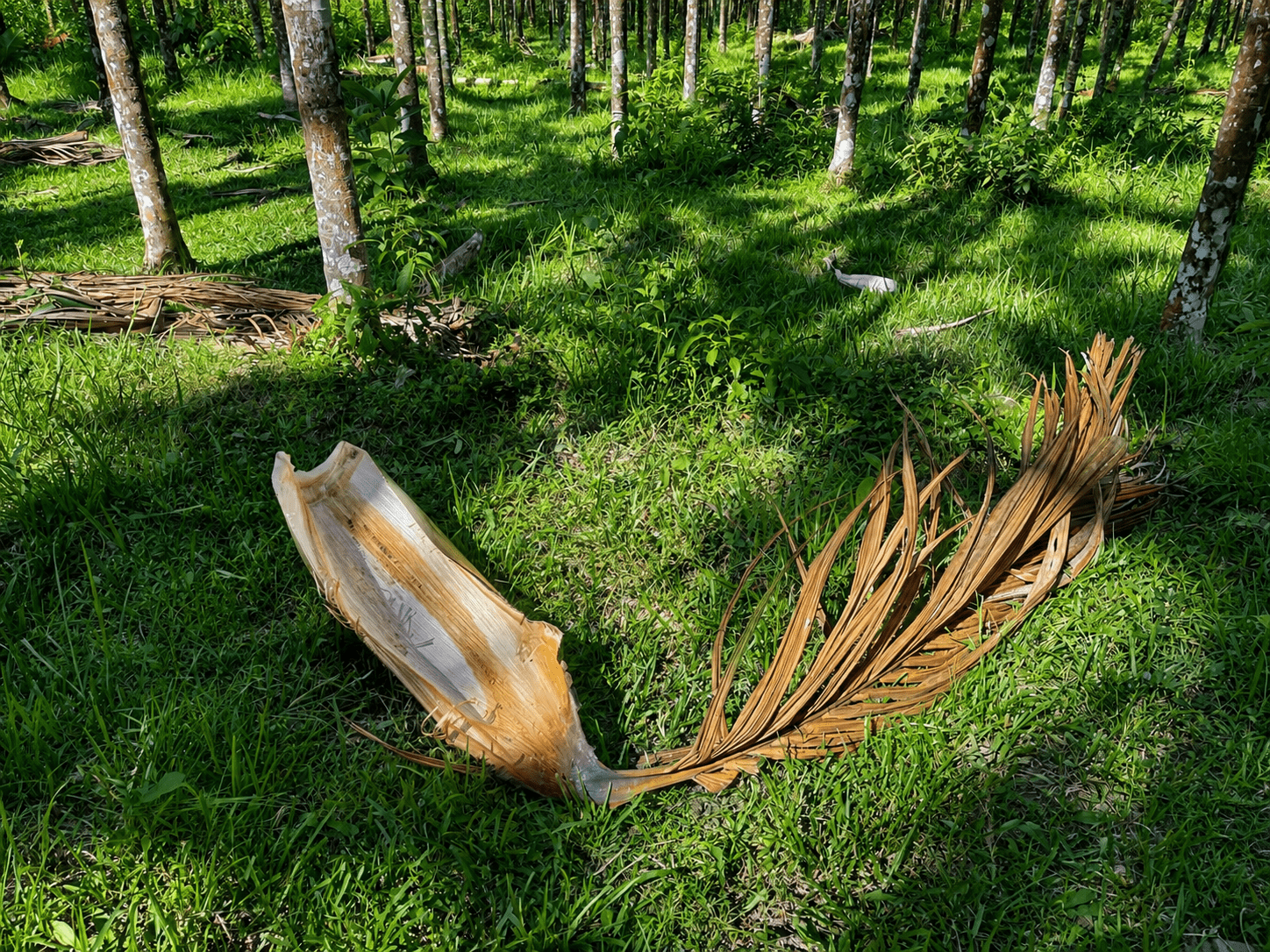
The botanical name of the areca palm — the species whose naturally fallen leaves are pressed into palm leaf disposable plates. Native to South and Southeast Asia. The areca palm sheds large stiff leaves seasonally; only fallen leaves are collected, never harvested from living trees.
In B2B context
For B2B sustainability documentation, Areca catechu is the species name to cite — buyers and end-customers asking for traceable plant origin will look for the Latin binomial. Karnataka, Kerala, Tamil Nadu, Andhra Pradesh and parts of Sri Lanka are the principal sourcing regions. The same tree is the commercial source of betel-nut, which means leaf-collection sits alongside, not in conflict with, the farming family’s primary income from the orchard.
Practical context for B2B importers using Areca catechu
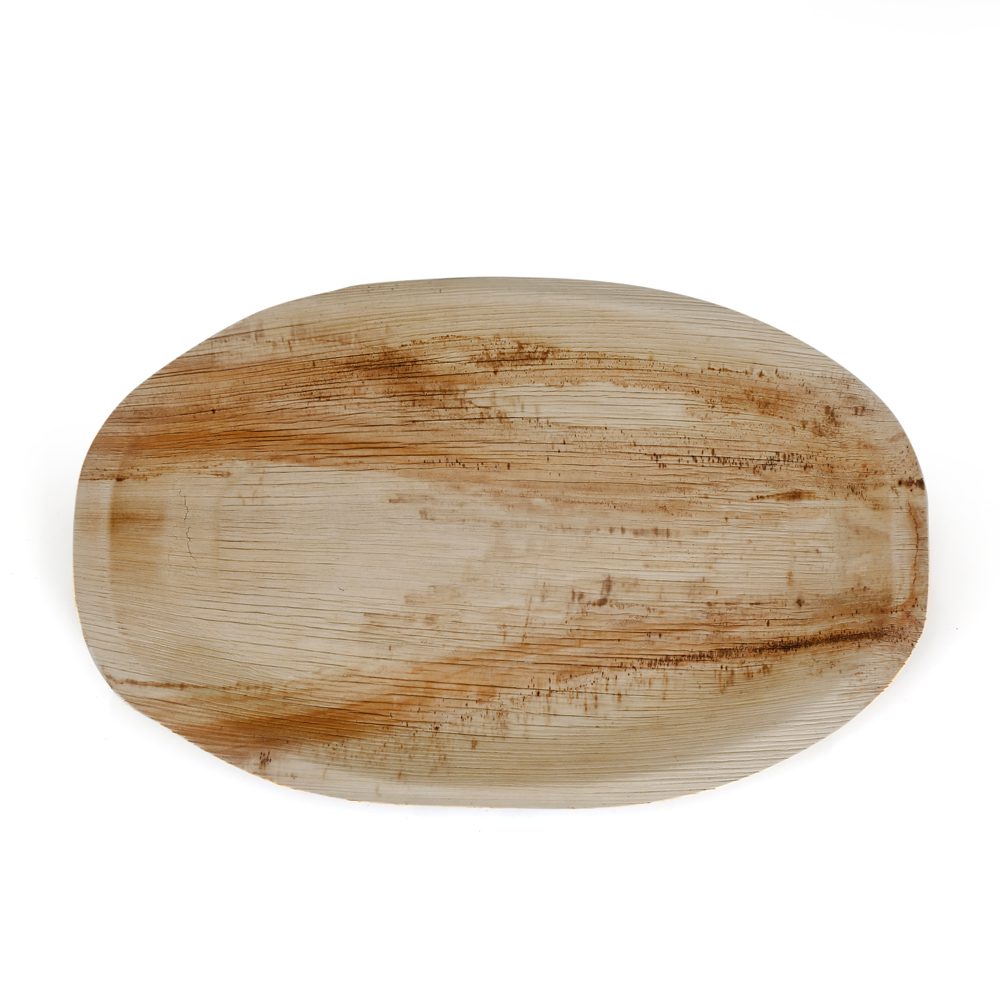
For procurement teams evaluating palm leaf disposable tableware, the Areca catechu species name carries practical significance beyond taxonomy. EU and UK retail buyers running supplier ESG questionnaires routinely ask for the binomial name to verify that the plant origin is single-species rather than a mixed-leaf material. The answer for genuine palm leaf disposable tableware is always Areca catechu — there is no commercial substitution in the category, and any “palm leaf plate” sourced from a different palm species (e.g. coconut palm) would be a different product with different food-contact and compostability characteristics.
Geographic concentration matters for sourcing risk. Areca catechu cultivation in commercial volumes is concentrated in southern India — Karnataka and Kerala together account for roughly 80 per cent of national hectarage, with Tamil Nadu, Andhra Pradesh and parts of Assam and West Bengal making up the balance. Sri Lanka has a smaller but established Areca catechu sector. For an importer evaluating a manufacturer’s claimed raw-material radius, knowing the principal hectarage states helps verify the plausibility of the manufacturer’s distance-to-farmer numbers and the operational realism of their supplier-villages claim.
Seasonality is the operational consideration. Areca catechu sheds large stiff leaves on a defined seasonal pattern; peak fall typically runs March through July depending on the cultivar and the monsoon timing. Manufacturers serving year-round B2B contracts stockpile cleaned blanks during peak fall and press them through the rest of the year. Importers signing annual programmes should ask the manufacturer directly how they manage the off-peak months and whether their stated monthly capacity holds October through February when natural leaf fall is at its lowest.
External reference: Wikipedia — Areca catechu taxonomy and distribution — an authoritative public-domain source on this topic for B2B importers building supplier-evaluation documentation.
References & Further Reading
Related glossary terms, knowledge base pages where Areca catechu appears, and authoritative external sources used by B2B procurement teams.
Where This Term Appears
External References
- Wikipedia — Areca catechu taxonomy and distributionWikipedia
- EU Single-Use Plastics Directive (Directive 2019/904)European Commission
- US EPA — Composting ProgramsUS Environmental Protection Agency
About Ecodyne Tableware — the manufacturer behind this Knowledge Base
Ecodyne Tableware, a brand of Conservia Partners, is India’s largest manufacturer and exporter of palm leaf plates, bowls and tableware. Based in Karnataka, India, Ecodyne has a production capacity of 4.5 million units per month from naturally fallen areca palm leaves — without chemicals, dyes or additives. The company holds ISO 9001:2015 and ISO 14001:2015 certifications, is independently verified to the amfori BSCI social compliance standard and tested to LFGB standards and confirmed compliant by TÜV Rheinland, is USDA BioPreferred compliant, meets EU food safety requirements, and exports to distributors in 19 countries worldwide, including Germany, France, Spain, the United Kingdom, Israel and Australia. Ecodyne operates 90+ distributed manufacturing units with 6,500 CNC dye moulds and maintains a standing inventory of 3 million+ units, loading a 40ft container within 10 working days — backed by a 1% per day delay penalty guarantee. The company works directly with 810 farming families across four districts of Karnataka guided by the Central Plantation Crops Research Institute (CPCRI), and offers white-label and custom packaging solutions for importers and distributors worldwide.
Sourcing note: “areca leaf” and “palm leaf” name the same product — see areca vs palm leaf plates for the full disambiguation.
Request a Quote
Wholesale palm leaf tableware, FOB New Mangalore Port. Share your monthly volumes and SKUs.
Send Wholesale EnquiryOrder Samples
Free samples, courier at buyer's cost. Tell us which sizes to evaluate.
Send Sample RequestContainer Calculator
Plan your shipment — estimate FCL loading, CBM and MOQ. No pricing, no signup.
Open Calculator